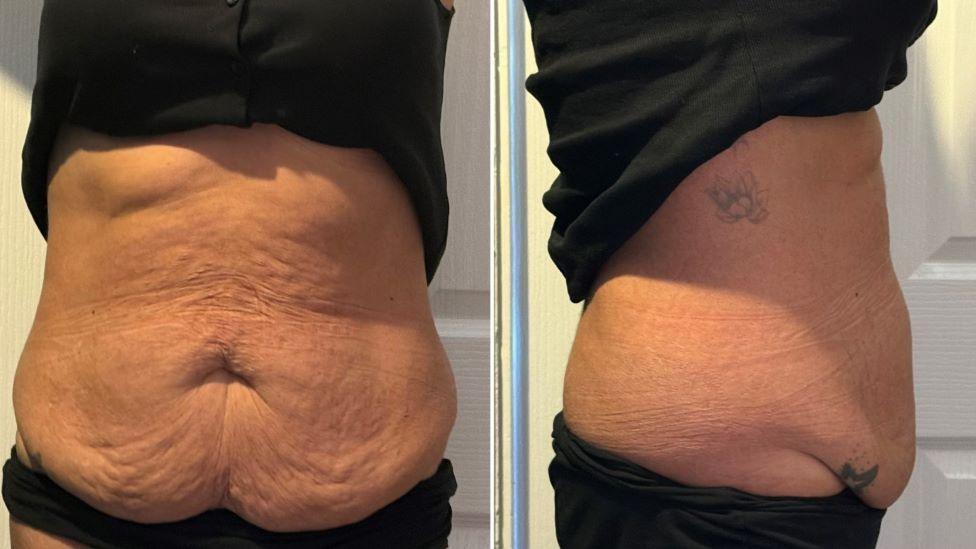
If you’re trying to lose weight, build muscle or simply want to improve your eating habits low carb high protein foods is one of the smartest dietary changes you can make.
The good news is that you don’t have to follow extreme diet. By adding more naturally rich protein , lower-carbohydrate foods to meal, We can create a balanced eating plan that’s satisfying nutritious, and easier to maintain over the long term.
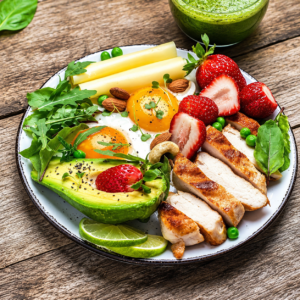
What Are Low Carb High Protein Foods?
Low carb high protein foods contain a significant amount of protein while being naturally low in carbohydrates. These foods are popular among people following eating patterns who follow low carb, ketogenic, high-protein or calorie controlled diets.
Examples include:
- Chicken breast
- Turkey
- Eggs
- Salmon
- Tuna
- Greek yogurt
- Cottage cheese
- Tofu
- Shrimp
- Lean beef
Many of these foods also provide essential vitamins, minerals, and healthy fats, making them valuable additions to a balanced diet.
Benefits of Eating Low Carb High Protein Food
1. Helps You Stay Full Longer
Protein is often considered the most filling macro nutrient. Enough protein Meal may help reduce hunger and make it easier to avoid unnecessary snacking throughout the day.
For people trying to lose weight, feeling satisfied after meals can make sticking to healthy eating habits much easier.
2. Supports Healthy Weight Management
Real truth is that no single food causes weight loss but replacing highly processed snacks with nutrient dense protein sources may help reduce overall calorie intake.
For example : choosing grilled chicken with vegetables instead of fried fast food can provide more protein while limiting excess refined carbohydrates and unhealthy fats.
3. Preserve Lean Muscle Mass
When you are losing weight it is important to lose fat instead of muscle.
Protein provides the amino acids your body needs to maintain muscle tissue especially when you are doing resistance training such as weightlifting or bodyweight exercises.
4. Supports Muscle Growth
Whether you are an athlete or simply trying to become stronger. By consuming enough protein throughout the day helps support muscle repair and growth after exercise.
Many professionals recommend spreading protein intake across multiple meals rather than consuming it all at once.
5. May Help Control Blood Sugar Spikes
Replacing refined carbohydrates with rich protein foods may help reduce rapid spikes in blood sugar after meals for some people.
However diabetic patients or other medical conditions should always follow the advice of their healthcare provider regarding dietary choices.
6. Provides Important Nutrients
Many low carbs high protein foods are packed with essential nutrients such as:
- Vitamin B12
- Iron
- Zinc
- Selenium
- Calcium
- Vitamin D
- Omega-3 fatty acids
These nutrients support energy production, bone health, immune function, and overall wellness
25 Best Low Carb High Protein Foods
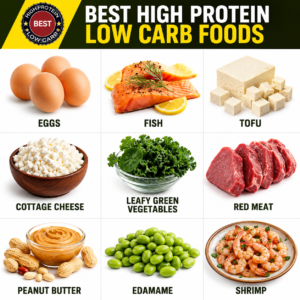
1. Chicken Breast
Chicken breast is one of the most popular protein sources worldwide.
Why it’s great:
- High in lean protein
- Naturally low in carbohydrates
- Versatile and easy to cook
- Ideal for meal prep
Serve it grilled, baked, air-fried, or sliced into salads for a satisfying meal.
2. Eggs
Eggs are among the most nutrient-dense foods available.
They’re rich in high-quality protein and provide important nutrients such as choline, vitamin D, and vitamin B12.
Easy ways to enjoy eggs:
- Boiled
- Scrambled
- Omelets
- Egg muffins
- Vegetable frittatas
3. Salmon
Salmon is an excellent source of protein and heart-healthy omega-3 fatty acids.
Benefits include:
- Supports heart health
- Rich in vitamin D
- High-quality protein
- Naturally low in carbohydrates
Grill, bake, or pan-sear salmon for a quick, nutritious dinner.
4. Turkey Breast
Turkey is another lean protein that’s naturally low in carbs.
It’s commonly included in healthy meal plans because it’s:
- Filling
- Low in saturated fat
- Rich in protein
- Great for sandwiches, wraps, and salads
Choose minimally processed turkey whenever possible to reduce sodium intake.
5. Tuna
Tuna is convenient, affordable, and packed with protein.
Fresh or canned tuna can be added to:
- Salads
- Lettuce wraps
- Stuffed avocados
- Whole-grain sandwiches
- Rice bowls
Look for canned tuna packed in water rather than oil if you’re watching calorie intake.
6. Greek Yogurt (Plain)
Plain Greek yogurt contains more protein than regular yogurt and typically has less sugar when unsweetened.
It’s perfect for:
- Breakfast bowls
- Smoothies
- Healthy dips
- High-protein snacks
Top it with fresh berries, chia seeds, or chopped nuts instead of sugary granola.
7. Cottage Cheese
Cottage cheese is another excellent dairy option for people looking to increase protein.
It provides:
- Slow-digesting casein protein
- Calcium
- Phosphorus
- Vitamin B12
Enjoy it with sliced cucumbers, tomatoes, berries, or cinnamon.
8. Lean Beef
Lean cuts of beef provide protein along with iron, zinc, and vitamin B12.
Healthier options include:
- Sirloin
- Eye of round
- Top round
- Tenderloin
Trim visible fat and pair beef with vegetables for a balanced meal.
9. Shrimp
Shrimp is naturally low in carbohydrates and calories while being rich in protein.
It cooks quickly and works well in:
- Stir-fries
- Salads
- Tacos (using lettuce wraps)
- Pasta alternatives
- Seafood bowls
10. Tofu
Tofu is an excellent plant-based protein choice.
It absorbs flavors well and can be:
- Grilled
- Baked
- Air-fried
- Stir-fried
- Added to soups
Firm tofu is especially suitable for high-protein meals.
11. Tempeh
Tempeh is made from fermented soybeans and contains more protein than many other plant-based foods.
It also provides:
- Fiber
- Iron
- Magnesium
- Probiotics from fermentation
Its firm texture makes it a great meat alternative in sandwiches, grain bowls, and stir-fries.
12. Sardines
Sardines are small fish packed with nutrition.
They’re rich in:
- Protein
- Omega-3 fats
- Calcium
- Vitamin D
They’re also one of the more sustainable seafood choices available.
13. Skinless Chicken Thighs
Chicken thighs contain slightly more fat than chicken breast, making them juicier while still providing plenty of protein.
Best cooking methods:
- Grilled
- Baked
- Air-fried
- Slow-cooked
15. Cod
Cod is a mild white fish that’s naturally low in fat and high in protein.
It’s a great option for people looking for a lighter seafood meal.
16. Halibut
Halibut is another lean fish packed with protein, selenium, and vitamin B12.
Try baking it with garlic, lemon, and herbs for a simple, nutritious dinner.
17. Edamame
Edamame (young soybeans) is one of the best plant-based protein sources.
Benefits include:
- High protein
- Rich in fiber
- Good source of iron
- Naturally gluten-free
18. Low-Fat Cheese
Cheddar, mozzarella, Swiss cheese, and parmesan all provide protein while remaining relatively low in carbohydrates.
Enjoy cheese in moderation because it can also be high in saturated fat and sodium.
19. Protein Powder
Protein powder isn’t a replacement for whole foods, but it can be convenient after workouts or on busy days.
Look for products with:
- Minimal added sugar
- Short ingredient lists
- Third-party quality testing
20. Turkey Jerky
Turkey jerky is a portable, high-protein snack.
Choose varieties without excessive added sugar or sodium whenever possible.
21. Canned Chicken
Canned chicken is convenient for:
- Quick salads
- Lettuce wraps
- Meal prep
- Sandwich fillings
22. Seitan
If you eat gluten, seitan is one of the highest-protein plant-based foods available.
Its chewy texture makes it an excellent substitute for meat in many recipes.
23. Egg Whites
Egg whites contain almost pure protein with virtually no fat.
They’re ideal for omelets, breakfast scrambles, and baking.
24. Lean Ground Turkey
Lean ground turkey works well in:
- Burgers
- Meatballs
- Chili
- Lettuce wraps
- Stuffed peppers
25. Cottage Cheese Bowls
Instead of sugary desserts, try cottage cheese topped with:
- Blueberries
- Strawberries
- Walnuts
- Chia seeds
- Cinnamon
It’s a filling snack packed with protein
Sample One-Day Meal Plan
| Meal | Foods |
|---|---|
| Breakfast | Vegetable omelet (eggs, spinach, mushrooms, tomatoes); Plain Greek yogurt |
| Morning Snack | Cottage cheese with fresh blueberries |
| Lunch | Grilled chicken breast; Mixed green salad; Olive oil and lemon dressing |
| Afternoon Snack | Turkey jerky; Sliced cucumber |
| Dinner | Baked salmon; Roasted broccoli; Cauliflower mash |
Common Mistakes to Avoid

Eating Too Little Fiber
Protein is important, but don’t forget vegetables, seeds, legumes (if they fit your eating pattern), and other fiber-rich foods.
Fiber supports digestive health and helps keep you feeling full.
Choosing Highly Processed Protein Foods
Some processed meats are high in sodium, preservatives, or saturated fat.
Whenever possible, choose fresh, minimally processed protein sources.
Forgetting Healthy Fats
Healthy fats from foods like avocados, olive oil, nuts, seeds, and fatty fish can help support heart health and improve meal satisfaction.
Ignoring Portion Sizes
Even nutritious foods contain calories.
Weight management still depends on your overall eating pattern, activity level, and energy balance.
Drinking Sugary Beverages
Replacing soda and sugar-sweetened drinks with water, sparkling water, or unsweetened tea can reduce added sugar intake.
Frequently Asked Questions
1-What food is highest in protein but lowest in carbs?
Skinless chicken breast, turkey breast, tuna, shrimp, egg whites, and many white fish are among the highest-protein foods with very little carbohydrate.
2-Are eggs low carb?
Yes. Eggs contain very little carbohydrate and provide high-quality protein along with several essential nutrients.
3-Is Greek yogurt good for a low-carb diet?
Plain Greek yogurt is generally lower in sugar than flavored varieties and provides a substantial amount of protein. Choose unsweetened options whenever possible.
4-Can I eat fruit on a low-carb diet?
Many people can include moderate portions of fruit as part of a balanced eating plan. Berries are often lower in carbohydrates than tropical fruits and provide fiber and antioxidants.
5-Can low carb high protein foods help with weight loss?
They may help support weight management by increasing fullness and making it easier to maintain a calorie deficit. However, successful weight loss depends on overall dietary habits, physical activity, sleep, and long-term consistency.
6-Are plant-based proteins effective?
Yes. Foods such as tofu, tempeh, edamame, and seitan (for those who tolerate gluten) are excellent plant-based protein sources.
7-Do I need protein supplements?
Not necessarily. Most people can meet their protein needs through food. Supplements may be useful for some individuals with higher protein requirements or limited access to whole-food options.